Natural Predator Reservoirs
We do not eradicate insect populations; we build permanent predatory food chains. Strategic beetle banks, floral nectar corridors, and raptor perches that stabilize insect populations below economic injury thresholds.
Perennial Beetle Banks & Tussock Grass Corridors
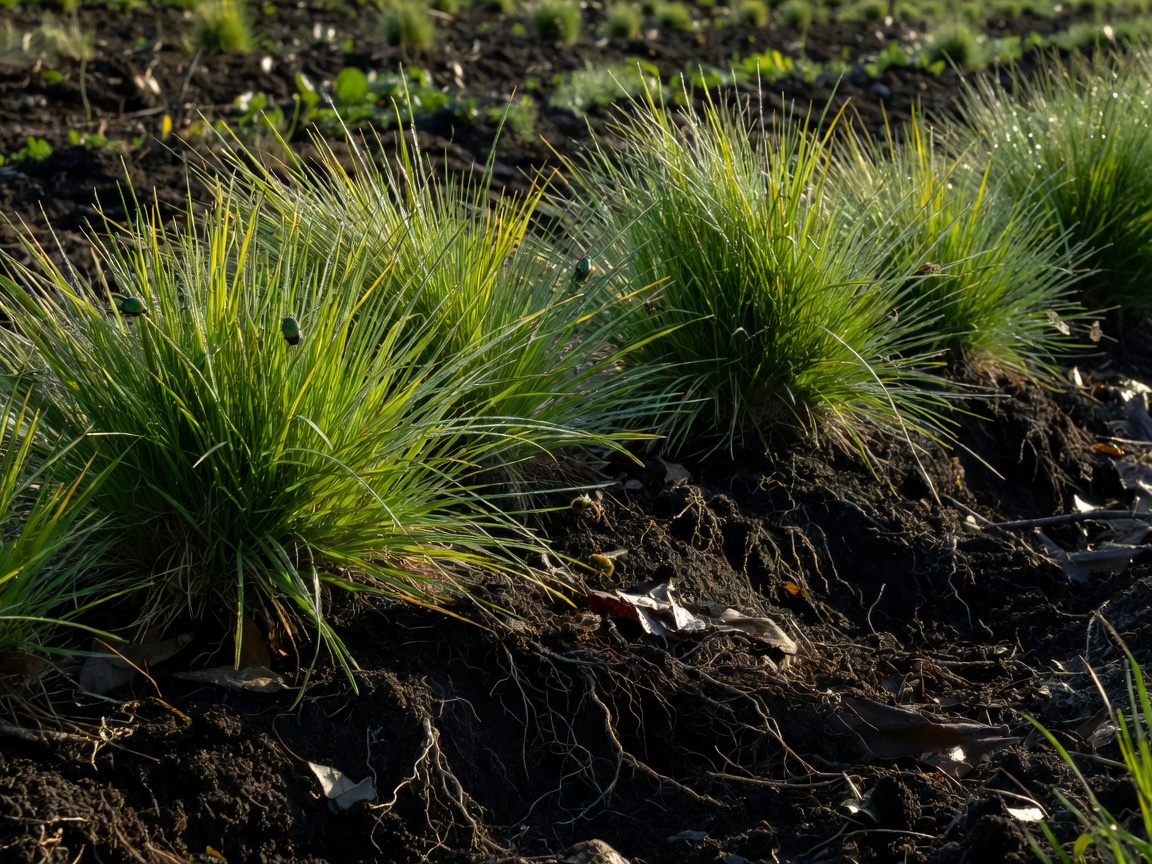
Raised, uncultivated earthen berms planted with Dactylis glomerata (Cock's Foot) and Holcus lanatus (Yorkshire Fog) provide warm, well-drained overwintering refuge for predatory ground beetles (Carabidae) and rove beetles (Staphylinidae). In the early spring, these voracious nocturnals disperse up to 100 meters into adjacent cash crops, consuming up to 30 aphids and slug eggs per beetle daily.
Floral Nectar Banks
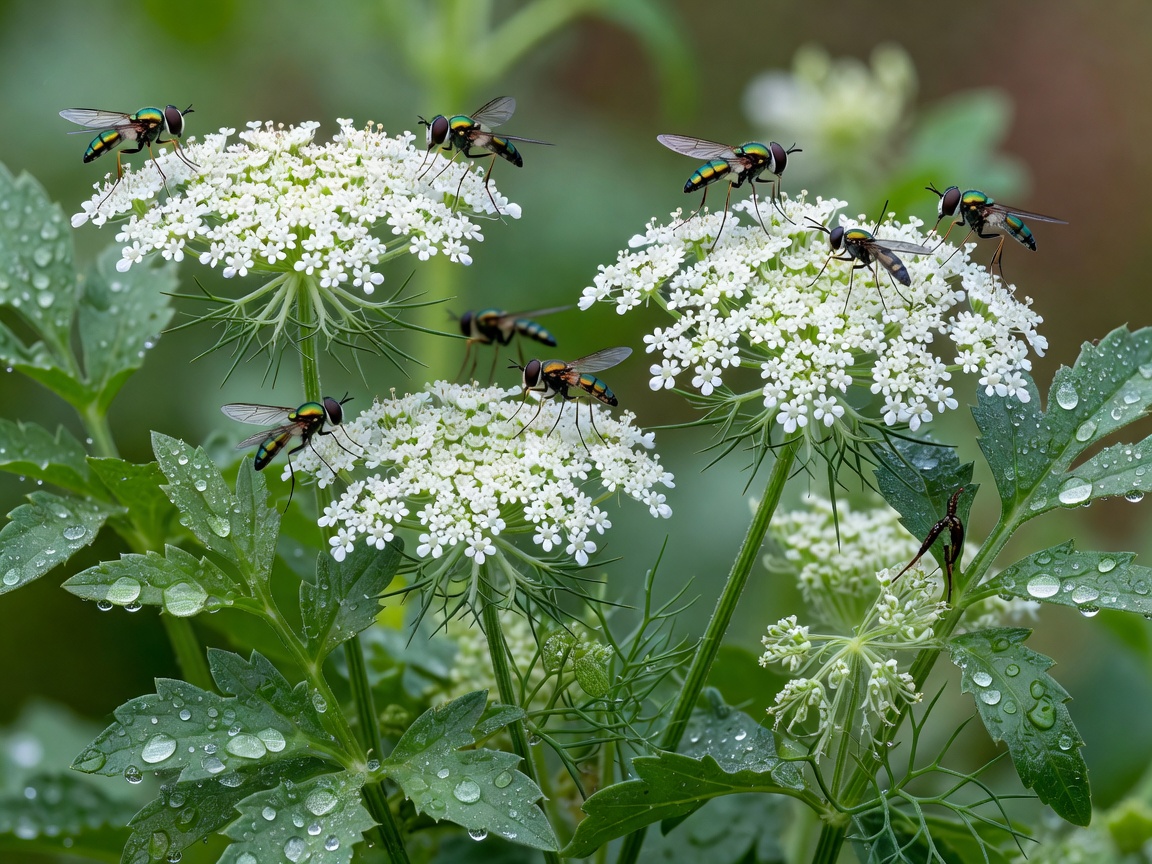
Parasitoid micro-wasps (Trichogramma and Aphidius) require shallow-access open nectaries like Sweet Alyssum and Fennel to feed their adult stages before parasitizing caterpillar eggs.
Aerial and Sub-Canopy Biologicals
[Sub-Systems]Phytoseiidae Predatory Mites
Phytoseiulus persimilis and Neoseiulus californicus maintain absolute dominance over two-spotted spider mite outbreaks in organic tomato tunnels. Because they reproduce faster than their prey at temperatures between 20°C and 28°C, they extinguish infestations before web forming begins.
Apex Aerial Surveillance
Mounting 6-meter timber raptor perches welcomes kestrels and barn owls into field margins, suppressing micro-mammal vole populations without toxic rodenticide baits. Bat maternity roosts intercept nocturnal moth flights (Noctuidae) prior to egg deposition.