Modern Organic Cultivation Methods
Replacing deep inversion plowing with targeted mechanical crimping, sub-surface pan fracture, and precision bio-amendments. How we maintain weed suppression while preserving mycorrhizae.
Roller-Crimper Direct Seeding
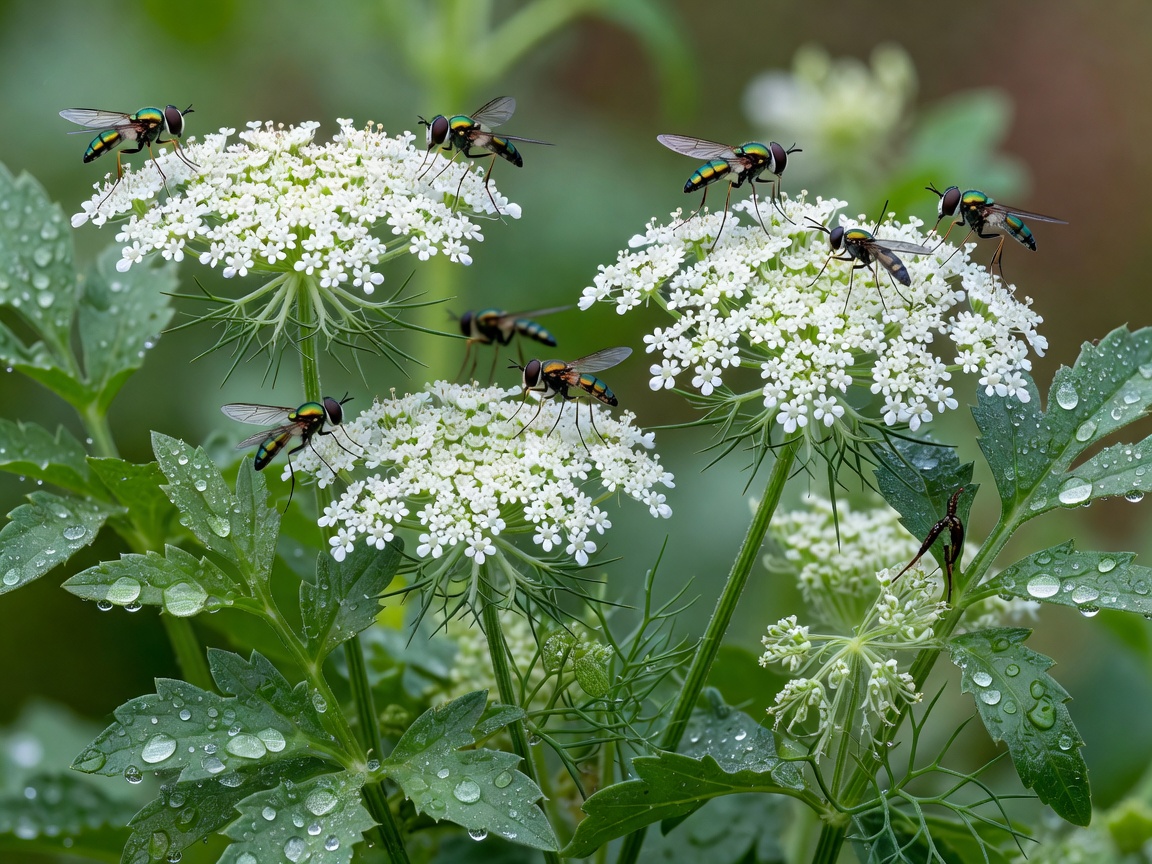
By rolling high-biomass winter cereal rye (Secale cereale) and hairy vetch (Vicia villosa) precisely at the milk stage of anthesis, we terminate the cover crop without toxic glyphosate. The resulting uniform 8 cm thick fibrous mat halts sunlight penetration, eliminating annual broadleaf weed germination while insulating subsoil moisture.
Non-Inversion Broadforking
Rather than inverting layers with a mouldboard plow—which asphyxiates obligate aerobic microbes—we employ low-disturbance curved tines to fracture compacted plow pans down to 40 cm without exposing weed seed banks.
Hydrology & Mineral Integration
[Sub-Systems]Charged Biochar Integration
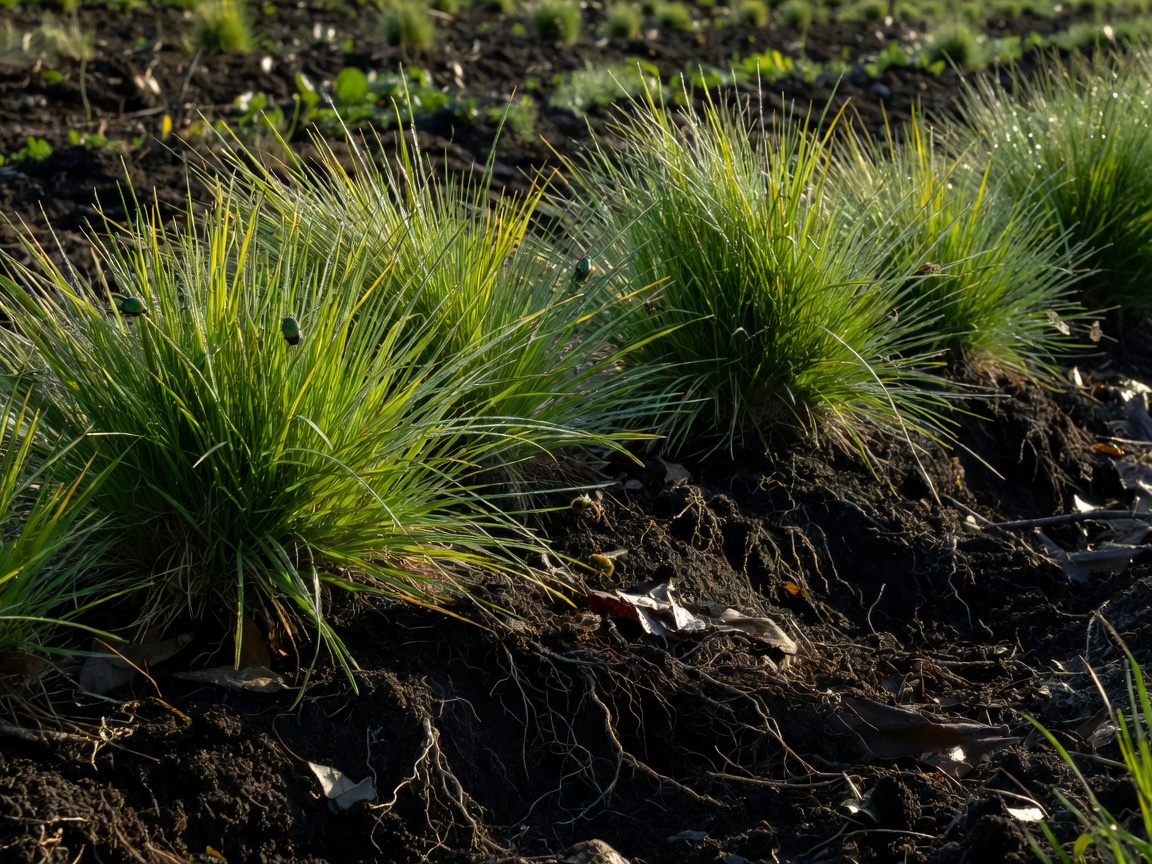
Raw biochar steals soil nutrients if applied directly. We co-compost pyrolyzed woody biomass with active vermicompost for 6 weeks, saturating microscopic pores with nitrates, phosphates, and endomycorrhizal spores prior to field application.
Contour Water Distribution
Field ridges cut on calculated off-contour inclines bleed storm runoff away from flooded valleys toward parched ridge flanks. This biological hydraulic buffering recharges subterranean aquifers and halts topsoil erosion on steep slopes.