Mycorrhizal Inoculation Guides
Harnessing arbuscular mycorrhizal fungi (AMF) to construct an subterranean nutrient internet. Increasing root surface absorption by up to 700% without chemical phosphorus or synthetic starter fertilizers.
Arbuscular Mycorrhizal Fungi (AMF) Colonization
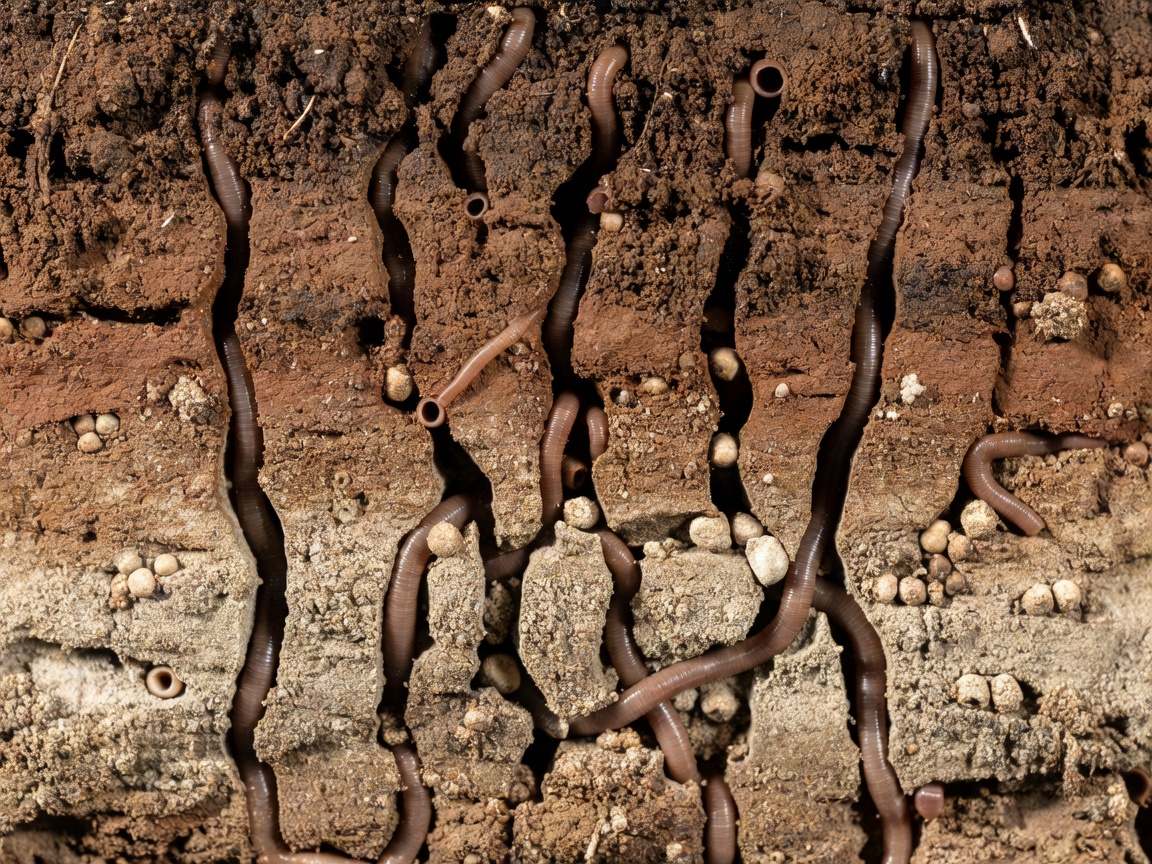
AMF fungi form microscopic arbuscules inside root cortical cells. The host plant donates excess photosynthesized liquid carbon (simple sugars) in direct exchange for fungal-transported phosphorus, zinc, copper, and soil-bound nitrogen. This fungal network continuously manufactures glomalin, a water-insoluble hydrophobic glycoprotein that glues mineral particles into stable crumb aggregates.
Inoculation Benchmarks
For successful colonization, inoculants must touch the germinating seed embryo directly. Powdered spore dusts applied to bulk soil are degraded by non-target saprophytes before root contact.
- Seed slurry application: 4 g / kg seed
- Transplant root dip: 1:10 liquid vermicast dilute
- Avoid synthetic fungicide sprays within 100 m
- Maintain subsoil temperatures above 9°C
Biochemical Liquid Extractions
[Sub-Systems]Aerated Bio-Stir Brewing
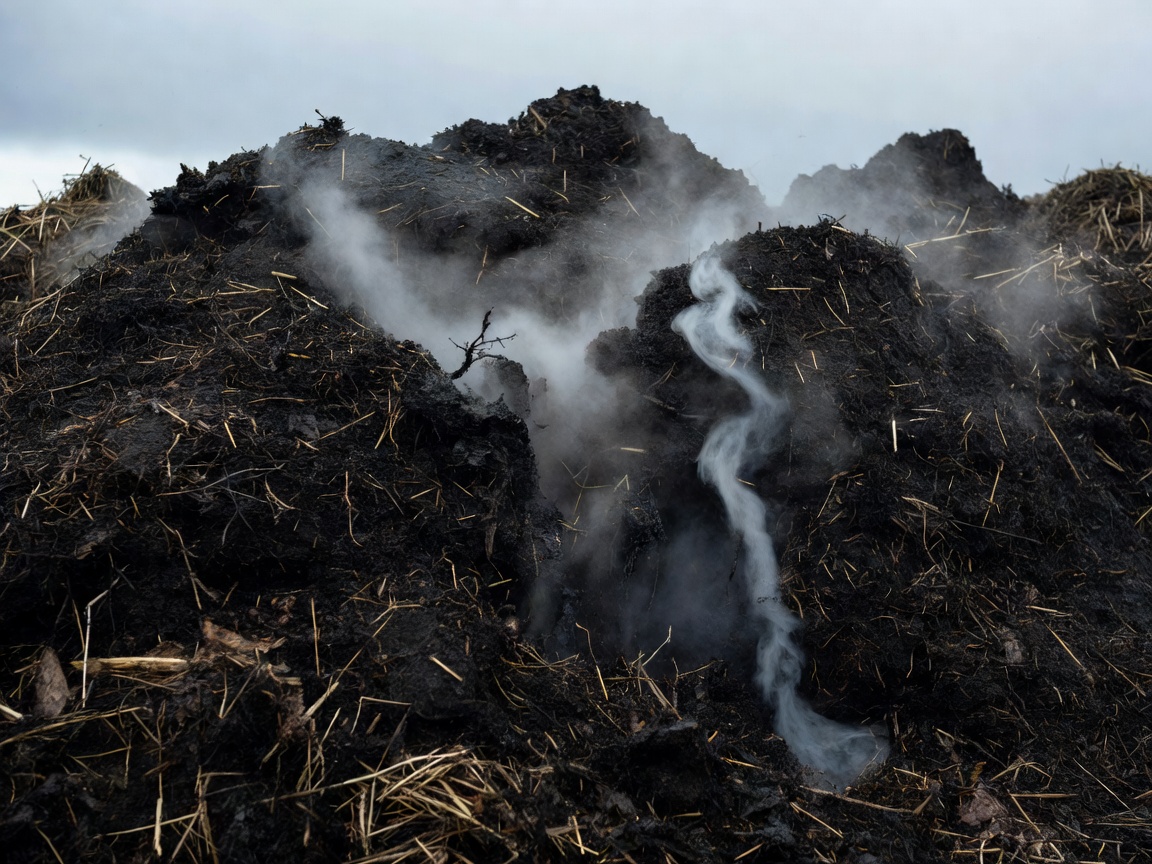
We extract billions of living nematodes, flagellates, and amoebae per liter using positive displacement air diffusers. The predators consume bacteria in the rhizosphere, releasing plant-available ammonium (NH4+) right at the root tip.
Equisetum Arvense Decoctions
Horsetail decoction fermented for 10 days produces high-potency bio-silicon. Foliar application hardens epidermal plant cells against fungal hyphae penetration like powdery mildew and downy blight without copper sulphate residues.